Why Is It Called Renegade Row? The Origin and Meaning Behind the Name

Hey there, friend—if you’ve ever wondered why is it called renegade row, you’re not alone. This badass exercise has a name that sounds straight out of a rebel story, and honestly, it fits perfectly. The renegade row (also known as the plank row) got its edgy title thanks to strength coach John Davies, who popularized it through his “Renegade Training” program back in the early 2000s. The word “renegade” evokes going against the grain, breaking rules, and pushing limits—just like how this move defies typical rows by forcing you to hold a plank while pulling weight. It’s not your standard gym drill; it’s rebellious, demanding total-body control that most exercises don’t require.
Some fitness enthusiasts joke that it’s called “renegade” because it looks “wicked cool” and challenges you in ways that build real functional strength, not just show. Whatever the exact story, one thing’s clear: once you master the renegade row, you’ll feel unstoppable. Stick with me as we dive deep into this game-changer—trust me, adding it to your routine could be the upgrade your workouts need.
What Is a Renegade Row? Definition and Exercise Overview
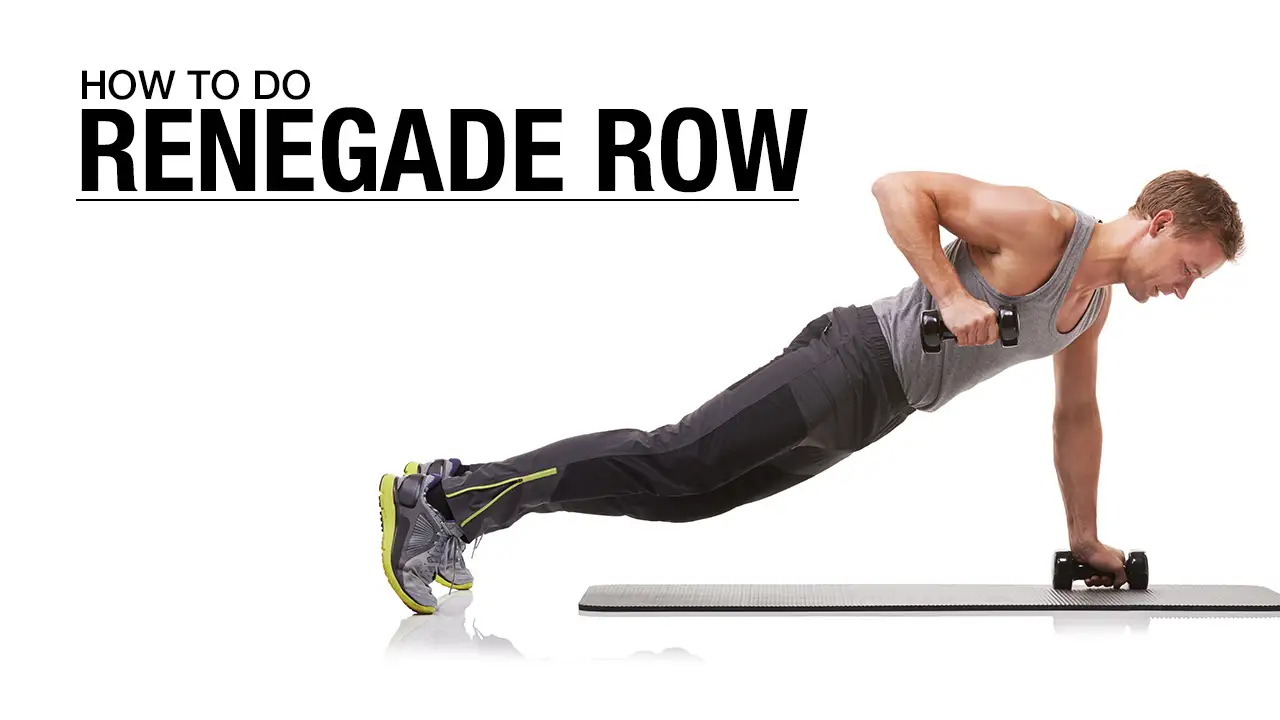
Let’s get real: the renegade row is that rare exercise combining a high plank with a single-arm dumbbell row. You start in push-up position gripping dumbbells (or kettlebells), brace your core like your life depends on it, and alternately row one weight to your hip while keeping everything else rock-solid. No twisting, no sagging—pure control.
It’s a full-body compound move, but what sets it apart is the anti-rotational challenge. Your body wants to rotate when you row, but you fight it, torching your core in the process. If you’re tired of boring planks or isolated rows, this is your new best friend. It’s advanced, yes, but scalable—and the payoff? A stronger back, bulletproof core, and better overall stability. Learn more about compound exercises here.
Who Invented the Renegade Row? The History and Creator of This Popular Exercise
As I mentioned, credit for spreading the renegade row goes to Coach John Davies, founder of Renegade Training. He introduced it widely in the strength and conditioning world, emphasizing functional, no-nonsense training for athletes. While some sources hint it might have existed in variations before, Davies made it a staple with his “renegade” branding—perfectly matching the exercise’s tough, defiant vibe.
Since then, it’s exploded in popularity among CrossFitters, bodybuilders, and everyday gym-goers. Why? Because it delivers results without fancy equipment. If you’re curious about its roots, check out this insightful piece on renegade training history.
What Muscles Does the Renegade Row Work? Targeted Muscle Groups Explained
This is where the renegade row shines—it’s a multi-muscle beast. Here’s the breakdown:
- Primary movers: Latissimus dorsi (lats—your big back muscles for that V-shape), rhomboids (upper back for better posture), and rear deltoids.
- Arms: Biceps during the pull, triceps and forearms for stabilization.
- Core powerhouse: Rectus abdominis (six-pack), obliques (side abs for anti-rotation), and transverse abdominis (deep stabilizers).
- Bonus: Glutes, quads, and even chest get involved to maintain the plank.
Unlike traditional rows, the plank position forces everything to fire together. It’s not just building muscle; it’s teaching your body to work as a unit. For a visual, here’s a clear diagram:
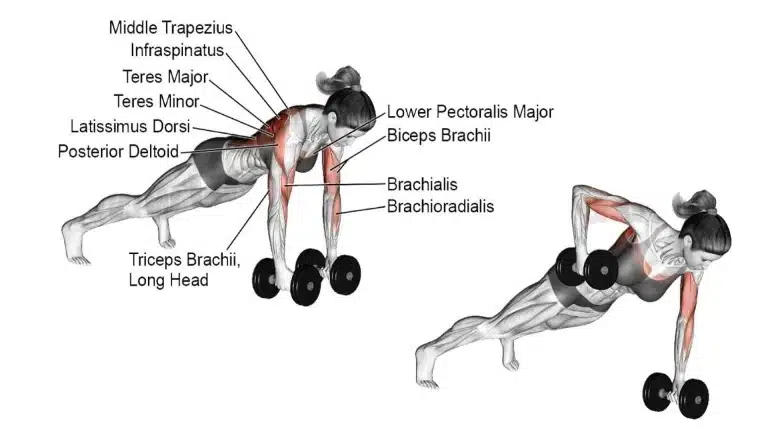
Renegade Row: How To Do and Muscle Worked
Studies and experts agree: this move crushes upper back neglect while building insane core endurance. Detailed muscle breakdown from Fitness Volt.
What Are the Key Benefits of the Renegade Row? Advantages for Strength and Stability
Listen, if you’re not doing renegade rows yet, here’s why you should start:
- Superior core strength: Better than static planks because of the dynamic anti-rotation—trains your abs for real-life movements.
- Balanced upper body: Fixes push-pull imbalances, strengthening your back to improve posture and reduce injury risk.
- Functional power: Enhances coordination, stability, and athletic performance (great for sports or daily life).
- Efficiency: Hits multiple groups at once, burning more calories and saving time.
- Scalable for all levels: From beginners (kneeling variations) to pros (heavy kettlebells).
People who’ve added it consistently report feeling stronger overall, with tighter cores and fewer aches. It’s persuasive because the results speak for themselves—try it for a month, and you’ll be hooked. BarBend’s take on benefits.
How Do You Perform a Renegade Row Correctly? Step-by-Step Form Guide
Getting the form right is everything—poor technique turns this gem into a back-killer. Here’s your foolproof guide:
- Grab a pair of dumbbells (start light—10-20 lbs if new).
- Get into high plank: Hands on handles, feet wider than shoulder-width for stability.
- Brace your core—think squeezing your glutes and abs like you’re about to take a punch.
- Row one dumbbell to your hip, elbow driving back (not out). Keep hips square—no twisting!
- Lower controlled, then switch sides.
- Breathe: Exhale on the pull, inhale on lower.
Common cues: “Screw” your hands into the floor for shoulder stability. Aim for 3 sets of 8-12 reps per side.
Watch this for perfect execution:

Pro demos and kettlebell variation—notice the no-rotation hips.)
For more tips, MasterClass guide.
Is the Renegade Row Safe? Common Risks and How to Avoid Injury
Yes, it’s safe when done right—but like any exercise, risks exist if you ego-lift or rush form. Main issues: Lower back strain from sagging hips or wrist discomfort from poor grip.
To stay safe:
- Start light and focus on stability over weight.
- Widen feet for beginners.
- Avoid if you have wrist/shoulder issues (try alternatives).
- Progress slowly.
It’s actually injury-preventive long-term by building resilience. Safety insights from Verywell Fit.
What Are the Most Effective Renegade Row Variations? Types and Modifications
Variety keeps things fresh—here are top ones:
- Kettlebell renegade row: Unstable bells amp core work.
- Renegade row with push-up: Add a push-up between rows for chest burn.
- Kneeling variation: Easier for beginners, reduces core demand.
- Single-arm focus: Heavier weight on one side.
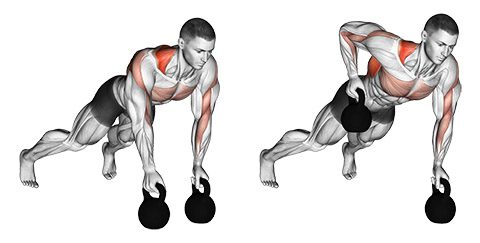
Kettlebell and advanced variations in action.
What Equipment Do You Need for Renegade Rows? Dumbbells, Kettlebells, and Alternatives
Come on, one of the best things about the renegade row is how simple it is—you don’t need a fancy gym setup. All you really need is a pair of dumbbells (hexagonal ones are ideal because they won’t roll away) or kettlebells for that extra instability challenge.
Start with lighter weights than you’d use for regular rows—think 10-30 lbs depending on your level—to prioritize stability over ego. No weights? No problem: bodyweight versions or resistance bands work great as alternatives.
Pro tip: Always use flat-bottomed equipment for safety. Here’s a quick look at the gear in action:
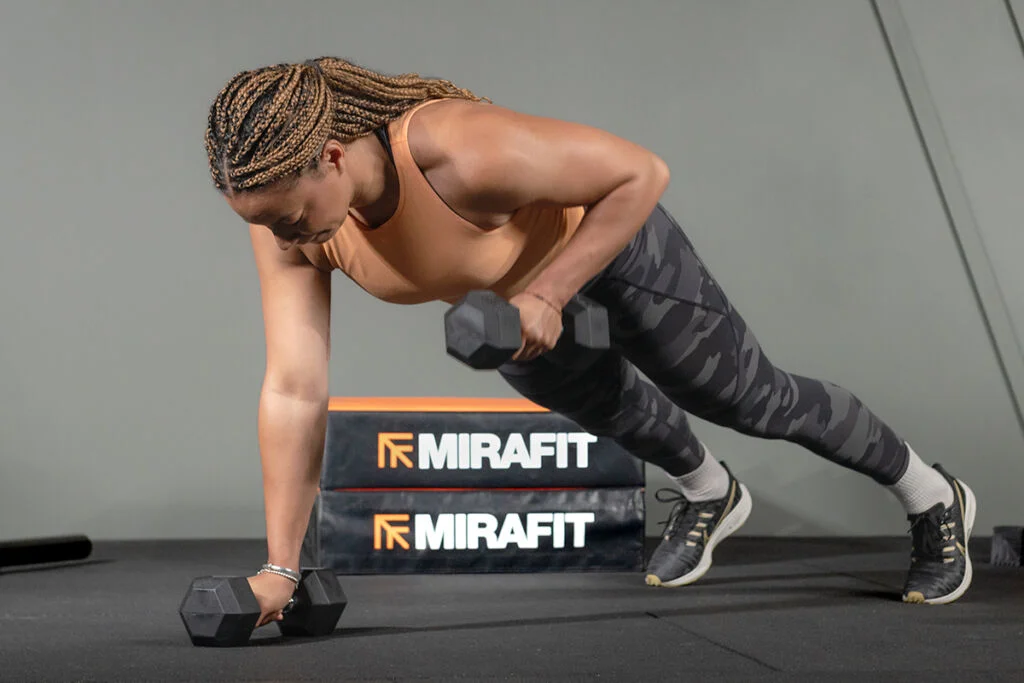
Hex dumbbells and proper setup—perfect for keeping things stable during your renegade rows
For more on equipment choices, check out BarBend’s renegade row guide.
How Does the Renegade Row Compare to Traditional Dumbbell Rows? Key Differences
Okay, real talk: if you’re doing bent-over or single-arm dumbbell rows, you’re building a strong back—but the renegade row takes it to another level by adding that brutal plank position.
Traditional rows let you go heavier and focus purely on pulling power (great for lats and hypertrophy), while renegade rows force anti-rotation core work, better posture, and full-body stability. You can’t load as heavy here, but the functional strength payoff? Huge.
Side-by-side comparison:
- Traditional Dumbbell Row: Supported (bench or knee), heavier loads possible, less core demand.
- Renegade Row: Unsupported plank, lighter weights, massive core and stability activation.
Can Beginners Do Renegade Rows? Progressions and Easier Alternatives
Absolutely yes—but don’t jump straight in if you’re new. The full renegade row is advanced, so start with progressions to build that core strength safely.
Beginners: Try the kneeling version (on knees instead of toes) or single-arm supported rows first. Once you can hold a solid plank for 30+ seconds, add light rows.
Top beginner-friendly options:
- Kneeling renegade row
- Bird dog row
- Plank shoulder taps (bodyweight only)
Here’s how the kneeling mod looks:
Trust me, progressing smart prevents frustration and injury. Great alternatives from Fitness Volt.
How Many Sets and Reps Should You Do for Renegade Rows? Programming Tips
Programming renegade rows depends on your goals, but keep weights moderate and focus on quality.
General recommendations:
- Strength/Stability: 3 sets of 6-10 reps per side (controlled tempo).
- Hypertrophy/Endurance: 3-4 sets of 10-15 reps per side.
- Beginners: Start with 2-3 sets of 8 reps, lighter weights.
Add them 2-3 times per week, ideally on upper-body or full-body days. Rest 60-90 seconds between sides.
“Quality over quantity—slow, controlled reps build real strength.” – Common advice from trainers.
For detailed programming, see SET FOR SET’s guide.
What Common Mistakes Should You Avoid in Renegade Rows? Form Errors and Fixes
We’ve all been there—rushing form and turning a great move into a messy one. Here are the big mistakes I see (and how to fix them):
- Sagging or hiking hips: Core disengages—fix by bracing like you’re taking a punch.
- Rotating torso: Cheats the anti-rotation benefit—squeeze glutes and keep hips square.
- Using too much weight/momentum: Leads to swinging—drop weight and slow down.
- Short range of motion: Limits gains—row fully to your hip.
Common errors visualized:
Nail the form, and results come fast. Men’s Health form fixes.
Are Renegade Rows Better for Core Strength Than Planks? Comparison Analysis
Short answer: Yes—for dynamic, functional core strength. Static planks build endurance, but renegade rows add anti-rotation and unilateral loading, torching obliques and deep stabilizers way more.
Planks = isometric hold (great base). Renegade = plank + movement (real-world power).
If your goal is a bulletproof core that translates to sports or life, renegade rows win hands down. In-depth from BarBend.
FAQs About the Renegade Row
Why is it called renegade row? It comes from Coach John Davies’ “Renegade Training”—the move “rebels” against easy rows by demanding total control.
Is the renegade row worth it? 100%. It builds back strength, core stability, and posture like few others. Add it, and you’ll feel stronger overall.
How often should I do renegade rows? 2-3 times per week. Pair with pushes for balance.
Can I do renegade rows every day? Not recommended—give your core recovery time. 3-4 days max.
What’s a good substitute if it’s too hard? Bird dog rows or single-arm dumbbell rows.
There you have it, friend—the full scoop on why the renegade row deserves a spot in your routine. Start incorporating it today, and watch your strength and stability skyrocket. You’ve got this!

Huy Tran is the Founder and Chief Executive Officer of Optibodyfit, a pioneering digital platform that is redefining the landscape of personal fitness and wellness accessibility. Established in November 2025, Optibodyfit stands as a testament to Huy’s unwavering commitment to leveraging technology for the betterment of human health.
The Genesis of a Fitness Ecosystem Huy founded Optibodyfit identifying a critical gap in the global fitness market: the fragmentation of reliable information. While there was no shortage of fitness advice online, there was a distinct lack of a centralized, scientifically structured, and comprehensive resource that could cater to everyone—from the complete novice to the professional athlete.
Driven by a vision to democratize fitness knowledge, Huy spearheaded the development of Optibodyfit.com. His goal was not merely to create a website, but to build a robust ecosystem where users could find precision, clarity, and motivation. Under his strategic direction, the platform successfully launched with a clear mission: “Elevate Your Lifestyle Through Fitness.”
Building the World’s Most Comprehensive Database One of Huy’s most significant achievements as CEO has been the architectural oversight of Optibodyfit’s massive data infrastructure. Understanding that “one size fits all” does not apply to physical training, Huy directed his team to curate an unprecedented library of over 20,000 expert-guided exercises.
This extensive database is a reflection of Huy’s dedication to detail and inclusivity. By categorizing thousands of movements across specific muscle groups, equipment types, and difficulty levels, he has ensured that Optibodyfit serves as an indispensable tool for users regardless of their environment—whether they are training in a high-end gym or their own living room.
Philosophy and Future Outlook Huy’s leadership philosophy is grounded in the belief that sustainable health is a journey, not a destination. He advocates for a holistic approach where data-driven workouts meet intuitive user experience.
“We built Optibodyfit to remove the guesswork from exercise,” Huy states. “Our platform empowers individuals to take ownership of their bodies by providing them with the exact tools they need to succeed.”
Looking ahead, Huy Tran continues to drive innovation at Optibodyfit, exploring new ways to integrate technology with personal well-being. Through his leadership, Optibodyfit is not just a repository of exercises; it is a rapidly growing global community dedicated to strength, health, and transformation.